Africa’s $2.5 Trillion Opportunity and the Urgent Need for Wealth Stewardship
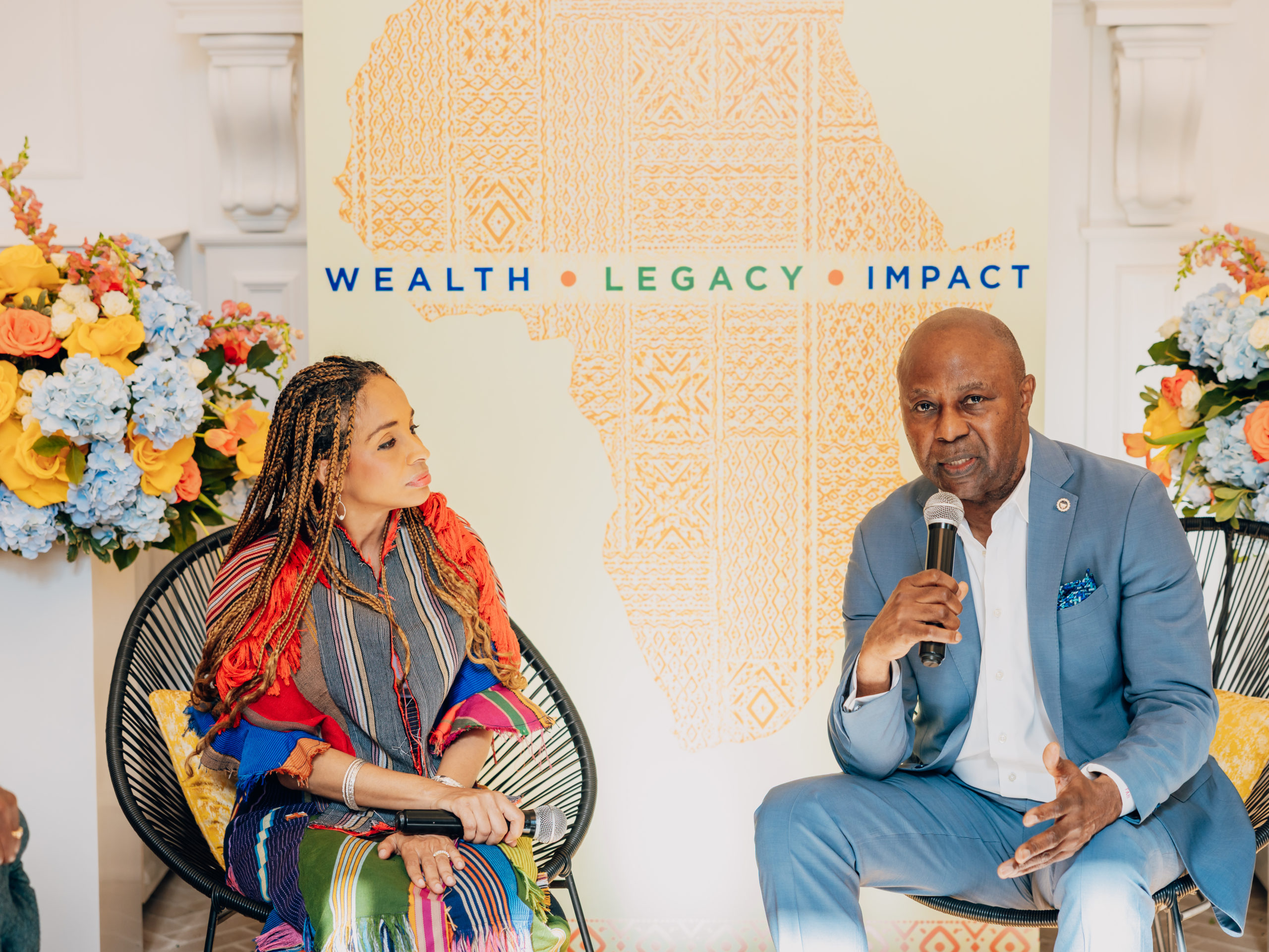
On June 7, 2026, Wealth4Impact convened philanthropists, wealth managers, entrepreneurs, academics, investors, development practitioners, and members of the African diaspora in Washington, DC, for an important conversation: Scaling African Philanthropy: Celebrating the Role of the Diaspora.
Hosted by Wealth4Impact Co-Founders Dr. Ndidi Okonkwo Nwuneli and Eme Essien Lore, the gathering explored one of the most consequential questions facing Africa today:
How can African families and the diaspora move beyond informal and reactive giving to build the structures, institutions, and partnerships required for sustainable impact across generations?
The discussion featured a fireside conversation with Dr. Frank Bello, Chief Investment Officer of Howard University, alongside contributions from philanthropy advisors, investors, educators, researchers, and development leaders. Together, they explored the opportunities and challenges surrounding wealth creation, wealth preservation, and strategic philanthropy across Africa and its global diaspora.
While the perspectives shared were diverse, one message emerged clearly:
Africa’s future will depend not only on how much wealth is created, but on how effectively that wealth is stewarded, transferred, and deployed for the public good.
Africa Does Not Have a Giving Problem
For generations, African families have supported relatives, invested in communities, funded education, responded to emergencies, and mobilized resources during times of need.
Giving is deeply embedded within African culture.
Yet as Dr. Ndidi Okonkwo Nwuneli observed during the discussion, generosity alone does not always produce lasting impact. Across Africa and the diaspora, many families find themselves responding repeatedly to the same challenges: medical emergencies, school fees, funeral expenses, and other urgent needs without addressing the systems that create those needs in the first place.
The conversation challenged participants to rethink what effective philanthropy should look like.
Rather than asking how much we give, the more important question may be:
How do we ensure our giving creates sustainable solutions rather than temporary relief?
This distinction between reactive giving and strategic philanthropy became one of the defining themes of the evening.
A Historic Wealth Transfer Is Underway

A recurring theme throughout the discussion was the scale of the opportunity currently before Africa.
During the conversation, Eme Essien Lore drew attention to estimates suggesting that approximately $2.5 trillion in African wealth could transfer between generations over the coming decades, describing it as both a significant opportunity and a major stewardship challenge for families across the continent.
This transfer includes businesses, real estate, investments, land, intellectual property, and family enterprises built over generations.
Yet many families remain unprepared for this transition.
Across the continent and throughout the diaspora, conversations about succession planning, estate management, trusts, wills, and family governance are often delayed or avoided altogether. The result can be family conflict, undocumented assets, lost wealth, and missed opportunities to create long-term impact.
As participants reflected on the implications of this historic transfer, a clear message emerged: preserving wealth is just as important as creating it. Without the structures needed to protect, govern, and transfer assets effectively, families risk losing both financial capital and the opportunity to create lasting social impact.
The discussion underscored a critical reality:
Wealth that is not preserved cannot be transferred. Wealth that is not transferred cannot create impact.
Lessons from Howard University: Building Institutions That Endure
During the fireside conversation, Dr. Frank Bello shared lessons from Howard University’s remarkable journey of institutional stewardship.
Under his leadership, Howard University’s endowment has grown from approximately $500 million to more than $1.5 billion, strengthening its ability to support students, expand opportunities, and invest in future generations.
Beyond the numbers, Dr. Frank Bello emphasized the importance of cultivating a culture of philanthropy early. At Howard University, students are introduced to giving and stewardship from the moment they enter the institution, helping to build a lifelong commitment to community impact.
His reflections offered an important lesson for African families, foundations, and institutions:
Sustainable philanthropy is not built through occasional acts of generosity. It is built through culture, discipline, stewardship, and long-term vision.
Building the Infrastructure for Strategic Giving
A significant portion of the conversation focused on the structures required to support long-term philanthropy.
Participants explored the importance of trusts, wills, family constitutions, endowments, donor-advised funds, and other mechanisms that help families organize their giving and preserve wealth across generations.
Wealth4Impact shared insights from its ongoing work with families, wealth managers, legal practitioners, and financial institutions to strengthen philanthropic infrastructure and support more intentional giving across Africa.
The discussion reinforced that philanthropy cannot be scaled through goodwill alone.
It requires systems. It requires trusted institutions. And it requires practical tools that help families align wealth with purpose.
Expanding Our Understanding of Wealth
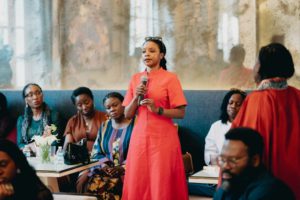

The evening also challenged participants to think beyond conventional definitions of wealth.
Chidi Blyden of Culturally Bound Consulting raised important questions about preserving intellectual capital, family legacies, and non-financial assets for future generations.
The discussion highlighted that wealth is not limited to financial resources. It also includes knowledge, networks, cultural heritage, intellectual property, stories, values, and institutions built over time. Protecting these assets requires the same level of intentional planning and stewardship as financial wealth.
As families think about legacy, the question is not only what will be inherited, but also what wisdom, values, and purpose will be passed on alongside it.
The Visibility Gap in African Philanthropy
Another important theme was the need to better document and amplify African giving.
Drawing on nearly two decades of experience in philanthropy, Katja Schiller Nwator, Founder of Philanthropy Circuit, emphasized the importance of closing the data and visibility gap surrounding African philanthropy.
Too often, conversations about African development focus on aid dependency while overlooking the significant contributions already being made by African families, communities, and diaspora networks.
The reality is that Africans are already giving. However, much of that giving remains undocumented, unmeasured, and underrepresented in mainstream narratives.
Building stronger systems for storytelling, research, and data collection will be essential to demonstrating the true scale and impact of African philanthropy.
Unlocking the Potential of the Diaspora
The role of the diaspora featured prominently throughout the evening.
Participants reflected on how diaspora communities contribute not only financial resources, but also expertise, networks, leadership, and access to global best practices.
Contributors, including Jane Reindorf-Osei, Chief Executive Officer of the African Investment Network and Co-Founder of 6Assets.org; Ini Nwoko, Founder of the Thomas and Eno Nwoko Educational Foundation USA Inc; and Nana Appiah-Korang, of Amayi Foods Limited, shared perspectives on wealth transfer, family legacy, philanthropy, and the opportunities for deeper diaspora engagement.
Their contributions reinforced a shared belief:
The future of African philanthropy will not be built through remittances alone. It will be built through stronger institutions, better coordination, shared learning, and long-term investments in the continent’s future.
Collaboration as a Force Multiplier
Throughout the evening, participants repeatedly returned to the importance of collaboration. From philanthropy advisors and family foundations to investors, educators, policymakers, and community organizations, many acknowledged that impactful work is already happening across the ecosystem.
The challenge is that too much of it remains fragmented.
Important contributions from voices, including Zainab Usman of the Centre on Global Energy Policy at Columbia University’s School of International and Public Affairs, Chidi Blyden, Katja Schiller Nwator, Jane Reindorf-Osei, and others, highlighted the need for stronger connections between philanthropy, investment, policy, research, and storytelling.
Scaling African philanthropy will require more than individual action. It will require coordinated ecosystems that connect capital, expertise, institutions, and communities.
From Wealth Creation to Wealth Stewardship
As the evening concluded, the conversation returned to a simple but powerful idea.
Africa does not lack generous people. Africa does not lack successful entrepreneurs. Africa does not lack wealth.
What is needed now is a stronger culture of stewardship. A culture that encourages families to plan intentionally for the future. A culture that values succession planning as much as wealth creation. A culture that invests in institutions capable of outlasting individual founders. A culture that views philanthropy not as an occasional act of charity, but as a strategic tool for building stronger societies.
Africa’s $2.5 trillion wealth transfer presents one of the defining opportunities of our generation.
The question before us is whether we will build the structures, partnerships, and systems necessary to transform that wealth into enduring impact.
At Wealth4Impact, we believe the answer lies in bringing together families, philanthropists, advisors, institutions, and diaspora leaders to steward wealth with purpose and build a legacy that extends far beyond any single generation.
