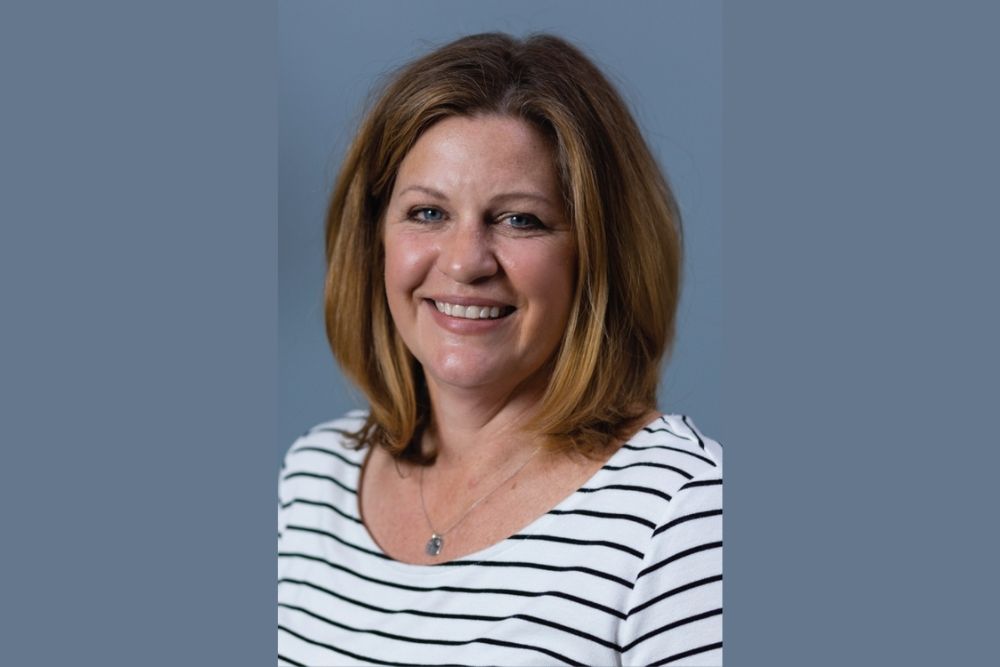
On 4 June 2026, participants in the Supporting the Emergence of Active Philanthropists in Nigeria (SEAPIN) programme, engaged in a rich conversation with Suzanne Daniel, Board Chair of the Pilgrim Foundation.
The session, “Engaging Others – Family, Nonfamily, in-house versus Outsourced: Building a Team to Execute on Your Foundation’s Mandate,” explored a challenge that many philanthropists eventually face: how to move beyond individual generosity and build the people, systems, and relationships required for lasting impact.
Drawing from her experience stewarding a multigenerational philanthropic legacy, Suzanne Daniel shared practical lessons on engaging family members, working with trusted advisors, leveraging external expertise, and preparing future generations for stewardship. Her reflections offered a timely reminder that sustainable philanthropy is not built by founders alone; it is sustained through intentional relationships, shared values, and strong institutions.
From Individual Vision to Shared Stewardship
Many philanthropic journeys begin with a founder’s passion, conviction, or desire to address a pressing social need. However, as philanthropic efforts grow, so does the complexity of managing resources, making strategic decisions, and ensuring continuity across generations.
Reflecting on her family’s journey, Suzanne Daniel described how her father unintentionally began building the foundation’s future long before succession became a consideration. Through mentoring relationships, professional partnerships, and a commitment to investing in people, he cultivated a network of trusted individuals who would later become critical stewards of the family’s resources and philanthropic vision.
This approach highlights an important lesson for emerging philanthropists: philanthropy is not simply about distributing resources. It is about building the human infrastructure that allows a vision to endure beyond the founder.
Building the Right Team Around Your Mission
One of the strongest messages from the session was that effective philanthropy requires recognizing where expertise is needed and being willing to invite others into the journey.
Suzanne Daniel openly shared that she did not begin her philanthropic work with extensive financial or investment expertise. Instead, she learned the importance of surrounding herself with people who possessed complementary skills and perspectives.
Over time, her family’s ecosystem expanded to include trusted advisors, investment managers, legal and estate planning professionals, foundation staff, board members, and philanthropic advisors. Each plays a distinct role, but all contribute to advancing the family’s mission.
Importantly, Suzanne Daniel distinguished between service providers and trusted advisors. Technical expertise is valuable, but trusted advisors bring something more: an understanding of a family’s values, aspirations, and long-term goals. They help families navigate complexity while remaining anchored in purpose.
For philanthropists across Africa, this lesson is increasingly relevant. Building strong institutions often requires balancing family involvement with professional expertise, ensuring that passion is matched by capability.
Preparing the Next Generation Through Exposure, Not Entitlement
Perhaps one of the most compelling aspects of Suzanne Daniel’s story was her approach to next-generation engagement.
Rather than focusing early conversations on inheritance or wealth, her family prioritized service, exposure, and education. Their children were introduced to community challenges, encouraged to volunteer, and given opportunities to understand both social needs and financial stewardship.
This approach reflects a deeper philosophy: stewardship is learned through experience, not entitlement.
Equally important was the freedom afforded to family members to discover their own philanthropic interests. Suzanne Daniel emphasized that meaningful engagement cannot be forced. While values can be shared, future generations must ultimately find their own path to generosity and impact.
As more philanthropic families emerge across Africa and the diaspora, this lesson is particularly important. The transfer of wealth may happen through legal structures, but the transfer of purpose requires intentional investment in people.
The Future of Philanthropy Is Relational
Beyond family structures and governance systems, Suzanne Daniel repeatedly returned to the importance of relationships.
Whether through mentors, peer networks, community leaders, trusted nonprofit partners, or fellow philanthropists, many of her most significant insights emerged through engagement with others. She spoke about the value of learning communities, trusted partnerships, and long-term relationships built on mutual respect and trust.
This relational approach also shapes how the Pilgrim Foundation approaches its grantmaking. Rather than focusing solely on transactions, the foundation prioritizes long-term partnerships, unrestricted support, and listening to local leaders who understand the realities of their communities.
For Wealth4Impact, this perspective resonates deeply with our work through SEAPIN. The most effective philanthropy is rarely transactional. It is collaborative, adaptive, and grounded in relationships that create shared ownership of impact.
Beyond the Founder
Suzanne Daniel’s session served as a powerful reminder that philanthropy is ultimately about people.
While founders often provide the initial vision, lasting impact depends on the advisors who offer guidance, the professionals who strengthen execution, the family members who carry values forward, and the partners who help translate ambition into action.
As philanthropy continues to evolve across Nigeria and the African continent, the challenge before today’s philanthropists is not simply how much to give, but how to build institutions, relationships, and leadership structures capable of sustaining impact for generations.
This is the work at the heart of the Supporting the Emergence of Active Philanthropists in Nigeria (SEAPIN) programme. By equipping philanthropists with the knowledge, networks, and practical tools required to build enduring institutions, Wealth4Impact is helping shape a future where generosity is not only expressed through giving but sustained through stewardship.
The future of African philanthropy will be shaped not only by the resources we mobilize, but by the people and partnerships we cultivate to steward those resources for lasting change.
