How the Five Ts can help shape Africa’s philanthropic future
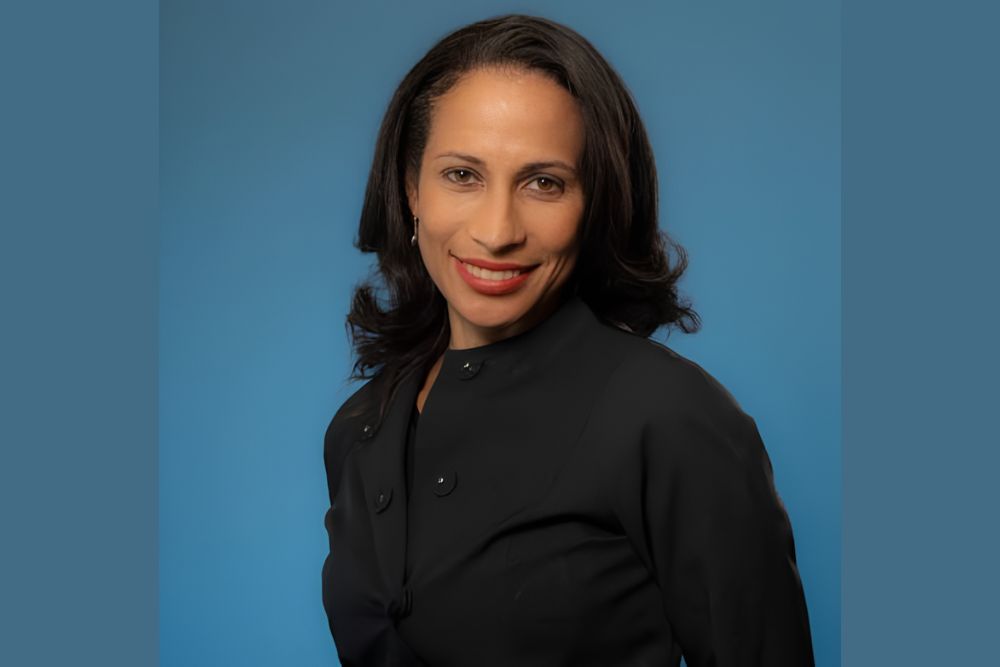
Philanthropy is often measured by the size of a donation. But money is only one part of what makes giving effective. When financial resources are combined with expertise, time, advocacy and relationships, philanthropy can reach further and respond more strategically to complex social challenges. This was the central message of Dr. Una Osili, Efroymson Chair, Lily Family School of Philanthropy, Indiana University, during a Supporting the Emergence of Active Philanthropists in Nigeria (SEAPIN) session on 5 September 2026.
Drawing on research and practical examples, Dr. Una Osili explored how demographic change, new wealth and technology are reshaping philanthropy and why collective giving offers an opportunity to turn widespread generosity into more coordinated impact. For philanthropists, founders, and foundation leaders across regions and sectors, the challenge is to look beyond individual contributions and consider what becomes possible when financial resources, expertise, influence and relationships are aligned around a shared purpose.
Why collective giving matters now
Wealth is changing hands across generations, and younger donors are engaging with philanthropy earlier. Technology is changing how people discover causes, share information and assess results. Yet greater wealth and easier access to information do not automatically produce greater social impact. The way resources are organised and deployed matters.
Collective giving brings individuals, families, companies or foundations together to pool resources and pursue a shared goal. Its value extends beyond the amount raised: participants learn from one another, build trust, share expertise and can respond more quickly as needs change. Dr. Una Osili described examples of giving circles that adapted their priorities as community needs shifted, as well as collaborative funds that bring major funders together with local leaders and public institutions.
Collaboration does not require every donor to abandon an individual mission. Across philanthropic contexts, it requires a clear shared objective, agreement on each partner’s contribution and a common understanding of how progress will be assessed. Done well, collective giving can reduce fragmentation and help organisations build the capacity needed for lasting results.
The Five Ts: a broader approach to giving
A key contribution of the session was Dr. Una Osili’s expansion of the familiar framework of time, talent and treasure. Her Five Ts encourage philanthropists and institutions to mobilise the full range of resources they can bring to a cause.
1. Time
Time means showing up through volunteering, mentoring, board service, listening or sustained involvement. For senior leaders, the question is where their presence and attention can make a meaningful difference, not simply how many hours they can offer.
2. Treasure
Treasure is money and other financial resources. Strategic giving connects funding to a clearly understood problem, the capacity to deliver results and a plan for learning. Companies can also consider employee-giving matches and contributions linked to volunteering.
3. Talent
Talent means applying professional knowledge and skills to an organisation’s needs. A nonprofit may require expertise in finance, technology, healthcare, communications, law or strategy. Skill-based volunteering is most useful when it responds to the organisation’s priorities rather than imposing a donor’s preferred solution.
4. Testimony
Testimony is sharing why a cause matters and encouraging others to engage. A credible recommendation, a story shared at an event or a thoughtful social media post can introduce an organisation to people beyond its existing network. Advocacy should be authentic, accurate and respectful of the communities represented.
5. Ties
Ties are the relationships and networks a person can open. Donors and executives can make introductions, bring new partners into a conversation, invite prospective supporters to events or connect organisations with diaspora and professional networks. A useful question is: who is missing from the table and could help move this work forward?
Together, the Five Ts form an approach to ‘all-in giving’: using every relevant resource, not only money, to advance a shared purpose. They also widen participation. People who cannot make large financial contributions can still offer time, expertise, advocacy or access, while financial donors can multiply their contribution through these other forms of support.
Trust and measurement turn collaboration into impact
Dr. Una Osili emphasised that trusted relationships remain central to philanthropic decisions, even as technology makes information easier to access. Collective giving can strengthen trust by allowing donors to exchange information, understand one another’s motivations and make decisions together. For organisations, that trust must be supported by transparent governance, clear communication, community listening and honest reporting on results.
The session also addressed how to recognise non-financial contributions. Organisations can record volunteer hours and skills applied, track introductions and referrals, and monitor social media shares or mentions that help new audiences discover a cause. These measures make contributions more visible, but they should not be confused with impact itself. Strong measurement connects inputs and activities to changes in organisational capacity, service quality or outcomes for the people served.
Putting collective giving into practice
Complex social challenges in every region require sustained funding, specialised expertise and coordination across institutions. Families, foundations, businesses and other funders can start by identifying a priority where collaboration would add value, mapping the Five Ts they can contribute and finding partners whose capabilities complement their own. The right model will depend on local needs, institutional capacity and the communities involved.
Organisations seeking diaspora or international support can work through established alumni associations, hometown groups, professional networks and other communities of shared interest. Such relationships may offer a more credible and effective route to supporters than approaching every donor independently. Where cross-border giving instruments or fiscal sponsorship arrangements are considered, organisations should seek appropriate legal and tax advice.
Funders should also consider investing in the systems that enable organisations to endure: leadership, governance, partnerships, learning and the ability to demonstrate results. These priorities matter across contexts; supporting the foundations that make organisations effective can be as important as financing individual projects.
From generosity to collective action
The lesson from Dr. Una Osili’s session is that philanthropy’s potential lies not only in how much is given, but in how well people connect their resources. The Five Ts provide a practical starting point for SEAPIN families and other philanthropic leaders: What change are we seeking? What can we contribute beyond money? Whose expertise and relationships are needed? How will we know whether our combined effort is working?
Answering these questions can help move philanthropy from isolated acts of generosity to coordinated, accountable action. Across philanthropic ecosystems, the opportunity is to build partnerships that bring more people into giving, strengthen the organisations closest to the work and make collective resources count for more. The ultimate measure is not simply what one donor contributes, but what people and institutions can achieve together.
