Why succession planning must begin before philanthropy becomes dependent on the person who built it
A philanthropic institution can have a compelling mission, substantial resources and a respected founder and still be fragile. If decisions stall when the founder is absent, if funding depends on personal intervention, or if the next generation inherits a name without understanding its purpose, the institution has not yet secured its future. It has extended the founder’s reach, but not necessarily built a legacy that can endure.
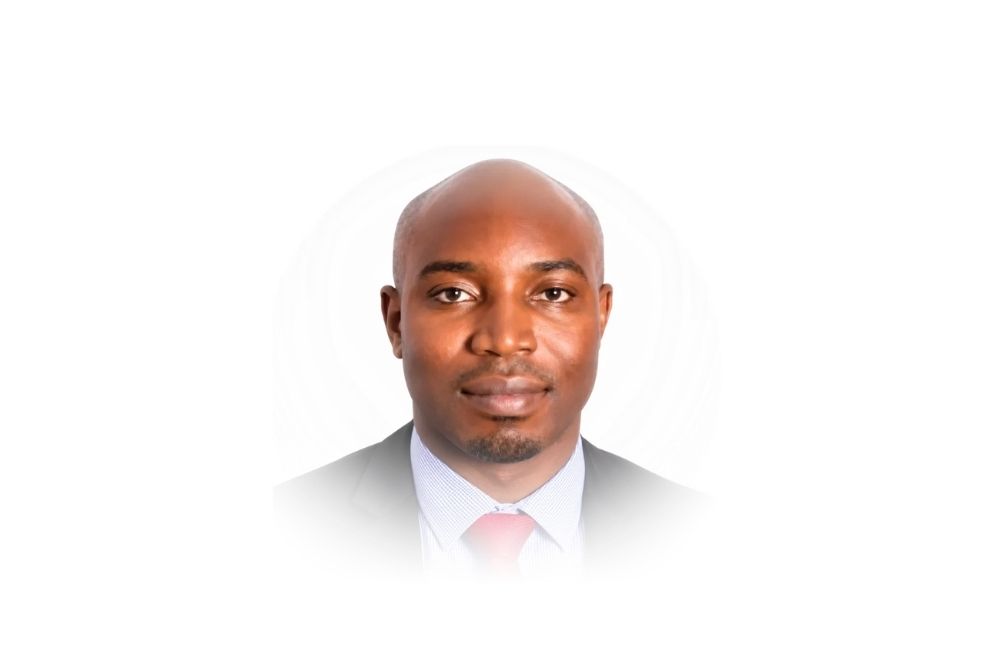
That was the central challenge running through the Supporting the Emergence of Active Philanthropist in Nigeria (SEAPIN) session on Succession Planning led by Gima H. Forje, CEO of the TY Danjuma Foundation. Drawing on the experience of helping an institution evolve from a founder’s personal giving into a structured philanthropic organisation, Gima H. Forje made a clear case: succession should not be treated as an event to manage at the end of a founder’s tenure. It must be designed into the institution from the beginning.
The first succession decision is to define what must endure
Founders often begin giving because of a personal experience, a community need or a problem they cannot ignore. That origin can give philanthropy its urgency and moral force. But personal conviction alone is not an institutional framework. As an organisation grows, its founding motivation must be translated into a clearly stated mission, vision and set of principles that can guide decisions beyond the founder’s direct involvement.
A written purpose is more than a statement for a website or annual report. It becomes a practical reference point when new opportunities, influential requests or changing priorities pull the institution in different directions. It helps leaders distinguish between an adaptation that strengthens the mission and a departure that dilutes it.
This requires founders to make an early distinction between what is foundational and what can evolve. The mission may remain constant while programmes, partnerships, methods and measures of success change in response to evidence and context. Continuity should protect the institution’s purpose, not freeze its operating model in the founder’s era.
Governance must be able to withstand disagreement
Succession cannot rest on goodwill or an assumption that the founder’s wishes will always prevail. It requires governance arrangements that make authority, accountability and decision rights clear. A board must be capable of exercising independent judgment, including when its conclusions differ from the founder’s preferences. Management, in turn, needs the authority to lead day-to-day operations within an agreed strategy and accountability framework.
This is not a reduction of the founder’s contribution. It is a way to protect it. When every important decision returns to one person, the organisation may appear decisive while the founder is present, but it builds a bottleneck into its own future. Strong governance distributes responsibility without losing sight of purpose.
The test is practical: if the founder became unavailable for an extended period, would the institution still know who can make decisions, approve commitments, steward resources and keep its work moving? If the answer is unclear, succession planning is already overdue.
Protect the mission by protecting the institution’s resources
A philanthropic vision can be weakened when its resources are not governed with the same discipline as its aspirations. Clear financial boundaries, responsible stewardship and a long-term view of sustainability help ensure that resources remain available for the purpose for which they were committed. The particular financial model will differ by institution; the underlying principle does not. Philanthropic capital needs rules that protect it from competing demands and short-term pressure.
This discipline also requires balancing the desire to respond to urgent needs with the responsibility to sustain impact over time. The question is not simply how much an institution can give today, but whether its choices preserve its ability to contribute tomorrow. Financial governance is therefore not separate from mission delivery. It is one of the conditions that makes sustained delivery possible.
The next generation must encounter the work, not just inherit the title
Passing responsibility to the next generation is not achieved by adding family members or younger leaders to a board and assuming the transition is complete. People need to understand the work closely enough to take responsibility for it. That means engaging with the communities and organisations the institution serves, examining the challenges they face, and seeing how decisions affect outcomes on the ground.
First-hand exposure can turn an inherited obligation into a considered commitment. It gives future stewards a more grounded understanding of the institution’s purpose and the people behind its results. It also creates room for questions and learning before authority is transferred, rather than expecting the next generation to become capable only after the founder steps aside.
For founders, this means treating succession as a process of preparation, not merely selection. The objective is not to produce a successor who imitates the founder in every respect. It is to develop leaders who understand the institution’s principles well enough to uphold them while exercising their own judgment.
Professional leadership is part of the legacy
An institution’s continuity also depends on people beyond the founding family. Recruiting and retaining capable professionals, giving them clear responsibilities and allowing them to learn from experience creates institutional knowledge that is not confined to one individual. Forje’s own long journey within the TY Danjuma Foundation from grants-focused work to executive leadership underscored the value of developing talent from within and building leadership through responsibility, feedback and exposure to the work itself.
A founder’s confidence in a trusted leader matters, but trust should be reinforced by sound systems: clear expectations, accountability, learning and an appropriate separation between oversight and execution. The aim is to make effective leadership repeatable, rather than dependent on finding one exceptional person.
Continuity does not mean standing still
A durable institution must preserve its purpose while remaining willing to learn. Its founding priorities should not become an excuse to ignore evidence, new needs or better ways of working. Equally, flexibility should not become a reason to follow every new opportunity or respond to every request. Strategic focus allows an institution to concentrate its resources, build deeper expertise and assess whether its work is making a meaningful difference.
This balance of steadfast purpose and adaptable practice is central to succession. The next generation should inherit a clear mandate and the governance to protect it, alongside the freedom to improve how it is fulfilled.
The questions every founder should answer now
Succession planning becomes more useful when it moves from aspiration to specific decisions. Founders, boards and senior leaders should ask:
- If the founder were unavailable for two years, which decisions and activities would stop and why?
- What elements of the mission must remain constant, and who has the legitimate authority to interpret or amend them?
- Are governance, financial stewardship and management responsibilities clear enough to function without informal intervention?
- How are future leaders being prepared through direct engagement with the institution’s work?
- What knowledge, relationships and responsibilities currently reside with one person, and how will they be transferred?
- What evidence will show that the institution is continuing to serve its purpose, not merely continuing to exist?
The real measure of legacy
Philanthropy is often discussed in terms of the resources deployed, the programmes supported or the lives reached. Succession adds a harder measure: whether the institution can continue to make sound decisions and deliver on its purpose when the person who began it is no longer directing it.
That outcome does not happen automatically with time, wealth or good intentions. It is built through decisions made while the founder is still present: documenting the purpose, sharing authority, protecting resources, developing future stewards and establishing governance that can withstand change.
For philanthropists and institutional leaders everywhere, the challenge is to move beyond asking, “Who will take over from me?” The more consequential question is, “What must I build now so that the mission can thrive without me?”
A legacy is not secured when an institution bears a founder’s name or preserves their preferences. It is secured when people, principles and systems are strong enough to carry the purpose forward and wise enough to keep that purpose relevant for the future.

