Author: Jessica Horn, November 2026
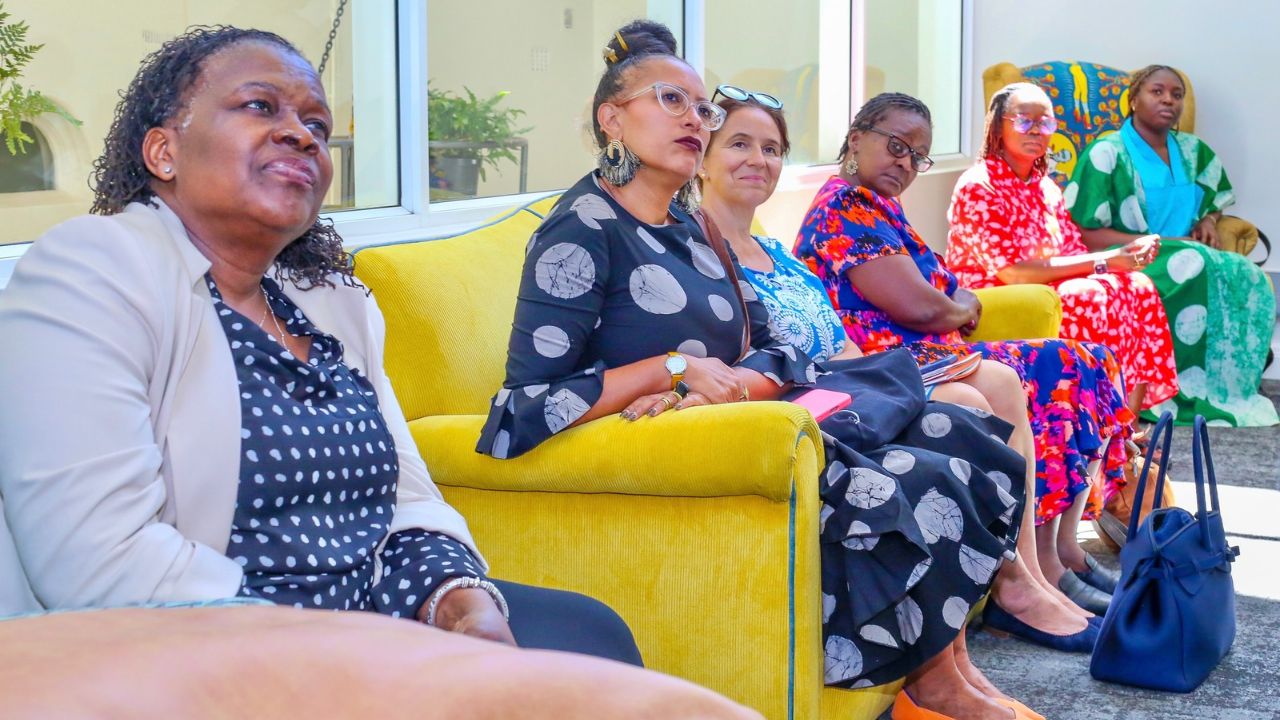
The African Philanthropy Forum 2026 provided an opportunity to gather as Africans who give, advise and shape philanthropy on the continent to consider where next for our field. After three days of provocative conversations, Wealth4Impact in collaboration with Hindura Studios organised a Philanthropy Tour for African givers- a chance to see what new approaches to African philanthropy might mean in action.
A group of us representing family, private and public foundations visited Bertha House, a unique offering by the Bertha Foundation. Located in the Mowbray neighbourhood of Cape Town, the yellow doors of Bertha House open into a light-filled multi-story and multi-purpose space, with offices, convening space, eateries and a cinema for community and social impact work. Aware of its presence in one of the most racially and economically segregated cities in the world, Bertha House is intentionally designed to welcome. There is a sliding scale for space rental from completely free to corporate rates, depending on the financial capacity of the initiatives hiring it. Wifi is free, the space is disability accessible, and even the cafe and restaurant are subsidised so that anyone coming in can access a warm drink or food and not feel excluded by affordability. This in turn inspires different ways of interacting. While resident organisations may not pay rent, they are encouraged to think of ways they can support each other’s work and constituencies. And they do, providing pro-bono legal advice, sharing local networks, and a host of other ways to be of mutual assistance. Bertha calls their offer ‘radical hospitality’. But it is also ubuntu in practice, ensuring that you neighbour is also thriving and can enjoy what the world has to offer. For philanthropy, it demonstrates the power of investing with multiple tools- grants, but also other resources including the precious contribution of space. In times of tight operational budgets, this can be catalytic for organisations who need safe and accessible locations to deliver services and host staff.
In my two decades in philanthropy I have noted that while we focus on giving we invest far less in building out time to explore how to innovate the philanthropic architecture itself. Although getting resources out of the door is priority, experiencing innovations like Bertha House also gives us refreshing ideas for how this might be done in ways that meet local realities. And as Africa’s own philanthropy grows, this is exactly the inspiration we need to make the most of a generational opportunity to design in more ample ways what our respective giving can look like.
