Reflections from the Supporting the Emergence of Active Philanthropists in Nigeria (SEAPIN) Learning Lab on Maximising Impact: Design, Measurement & Evaluation, and Communications
“Everything here is about a choice.”
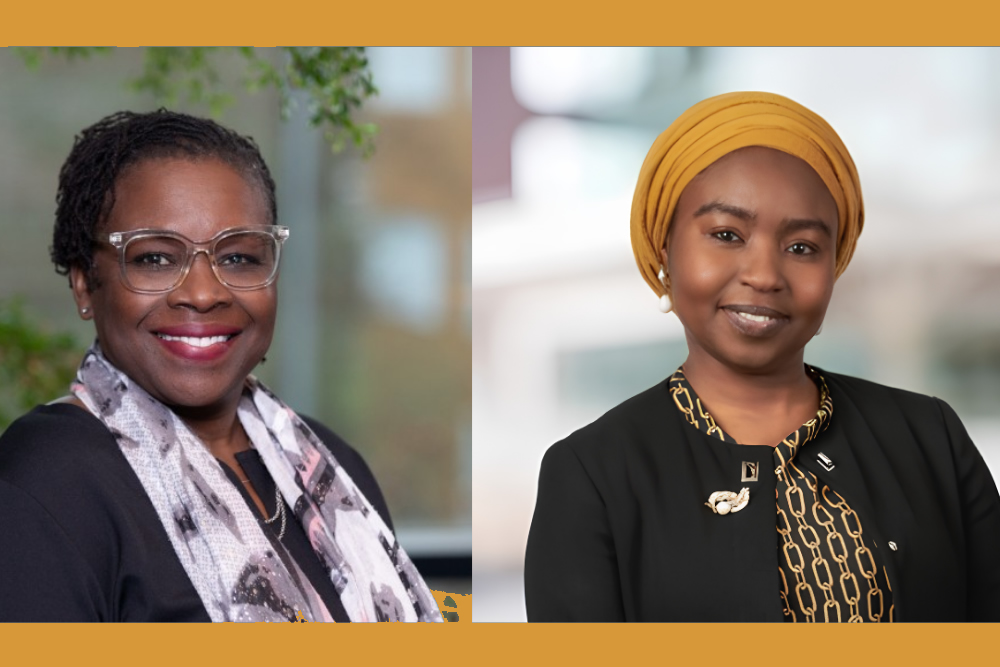
With this simple yet thought-provoking statement, Eme Essien Lore, Co-founder of Wealth4Impact, set the tone for the eighth learning session of the Supporting the Emergence of Active Philanthropists in Nigeria (SEAPIN). It was a remark that echoed throughout the conversation, challenging participants to rethink what truly drives philanthropic impact.
Philanthropy is often viewed through the lens of generosity, the willingness to give, invest, and respond to society’s most pressing challenges. Yet, as Eme explained, generosity alone does not guarantee meaningful change. Lasting impact is shaped long before resources are deployed. It begins with the choices organisations make: the problems they prioritise, the evidence they rely on, the outcomes they pursue, and the systems they establish to learn, adapt, and improve.
This philosophy framed the session, “Maximising Impact: Design, Measurement and Evaluation, and Communications,” which combined Eme’s insights with a practical case study presented by Fatima Abba of the Gates Foundation. Through the Foundation’s experience, participants explored how intentional programme design, evidence generation, monitoring and evaluation, and strategic communication work together to strengthen philanthropic decision-making and maximise impact.
Beyond Good Intentions
From the outset, Eme invited participants to approach the session differently. Using a live programme as a case study, she encouraged them to move beyond understanding frameworks in theory and instead examine the decisions that shape impactful philanthropy in practice.
“Avoid thinking of your efforts from the lens of right or wrong,” she noted as she introduced the day’s exercise. “Everything here is about a choice… because if you don’t make a choice, then you end up doing everything and maybe nothing at the same time.”
Her words captured a challenge familiar to many philanthropic organisations. Faced with complex social issues and finite resources, organisations are often tempted to respond to every need. Yet, in trying to do everything, they risk diluting their efforts and limiting their impact.
The discussion challenged participants to adopt a more intentional approach, one grounded in strategic focus. Effective philanthropy is not defined by the number of initiatives an organisation delivers, but by the clarity of the change it seeks to achieve and the discipline with which it pursues that vision.
A Case Study in Intentional Philanthropy
The principles of intentional programme design became even more tangible through a case study presented by Fatima Abba on the Gates Foundation’s Resilience through Azithromycin for Child Survival (REACH) programme.e began not with statistics, but with a question that resonated across the room. Many participants had experienced illnesses such as malaria, diarrhoea, or respiratory infections during childhood, conditions that, for many families, are an unfortunate but familiar part of growing up. Yet for millions of children, particularly across sub-Saharan Africa, these same illnesses remain fatal.
This reality shaped the Foundation’s response. Rather than beginning with a predetermined solution, the REACH programme started with a more fundamental question: Why are children still dying from preventable causes despite the interventions already in place? That shift, from searching for solutions to first understanding the problem, captured one of the session’s most important lessons.
Fatima explained that the programme was built on years of scientific research exploring whether the strategic administration of azithromycin, alongside existing child health interventions, could significantly reduce mortality among children under five. The intervention was not adopted because it seemed promising or aligned with institutional preferences; it was scaled only after rigorous evidence demonstrated its potential to save lives.
Today, that evidence underpins one of the Gates Foundation’s most promising investments in partners with an estimated reach of approximately 22 million children each year, averting up to 165,000 child deaths by 2028.
While the scale of the investment was remarkable, the programme’s greatest lesson lay elsewhere. Sustainable impact is rarely driven by ambition alone. It is achieved through disciplined programme design, rigorous evidence generation, continuous learning, and the willingness to let data, not assumptions, guide every major decision.
Designing Programmes That Solve the Right Problem
Building on this foundation, Eme encouraged participants to reflect on how impactful programmes are conceived. Too often, organisations begin with activities, planning workshops, awarding grants, launching awareness campaigns, or delivering services, without first asking whether those interventions address the underlying problem.
Effective programme design, she explained, begins long before implementation. It starts with understanding the problem, identifying its root causes, defining the desired change, and mapping the pathway to achieving it.
Central to this process is the Theory of Change. Rather than treating it as a donor requirement or a planning template, Eme described it as a way of thinking, one that helps organisations connect the problem they seek to solve with the impact they hope to achieve, while making explicit the assumptions that underpin that journey.
Those assumptions, however, should never remain fixed. As new evidence emerges, organisations must be prepared to test their thinking, refine their strategies, and adapt their programmes accordingly. In this way, programme design becomes not a one-off exercise, but a continuous process of learning and improvement.
Measuring Change, Not Just Activity
The conversation naturally progressed to one of the defining pillars of impactful philanthropy: monitoring and evaluation.
Eme challenged participants to rethink what they measure. Too often, organisations focus on what is easiest to count, the number of workshops conducted, grants awarded, or beneficiaries reached. While these metrics are important, they offer only a partial picture of success. The more important question is whether those activities are creating meaningful and lasting change in the lives of the people they are intended to serve.
Participants reflected on the distinction between outputs, outcomes, and impact, recognising that while outputs capture what a programme delivers, outcomes and impact reveal whether it is making a tangible difference.
As Eme noted, meaningful change rarely happens overnight. It requires deliberate monitoring, thoughtful evaluation, and a willingness to learn throughout implementation. Rather than viewing monitoring and evaluation solely as a reporting or accountability requirement, she encouraged participants to see it as a tool for continuous learning, one that enables organisations to refine their strategies, adapt to emerging evidence, and strengthen the effectiveness of their interventions over time.
Communicating Evidence That Inspires Action
The final pillar of the session turned to an often-overlooked driver of impact: strategic communication.
Throughout the discussions, participants were reminded that evidence alone does not influence policy, attract partnerships, or inspire action. Its value lies in how effectively it is communicated to the people positioned to make decisions.
Whether engaging policymakers, funders, implementing partners, or communities, organisations must be able to translate research findings and evaluation data into clear, compelling narratives that build trust, strengthen collaboration, and encourage action.
The REACH case study illustrated this principle in practice. Its success was not driven solely by strong evidence, but also by the Foundation’s ability to communicate that evidence in ways that informed decision-making and supported the programme’s scale and adoption.
For philanthropists, the lesson was clear: communication is not simply about sharing results after a programme ends. It is an integral part of the impact journey, ensuring that evidence informs decisions, learning shapes future interventions, and successful approaches influence change far beyond the life of a single project.
The Discipline Behind Lasting Impact
As the learning lab drew to a close, participants were left with a powerful reminder: impactful philanthropy is not defined by the size of an investment, but by the quality of the decisions behind it.
From identifying the right problem and designing thoughtful interventions to measuring outcomes and communicating evidence, every stage of the philanthropic journey demands intentionality. Lasting impact is achieved not through isolated acts of generosity, but through a disciplined commitment to learning, adaptation, and evidence-informed decision-making.
For participants in SEAPIN, the session offered more than practical tools for programme design, monitoring and evaluation, or strategic communication. It presented a mindset, one that challenges philanthropists to move beyond doing more and instead focus on doing what matters most.
In many ways, that mindset was captured in the words that opened the session and continued to echo throughout the day’s conversations:
“Everything here is about a choice.”
Perhaps that is the most enduring lesson for every philanthropist. Every choice – what problem to solve, what evidence to trust, what outcomes to pursue, and how to communicate the learning – shapes the difference between good intentions and lasting impact.
