Ask any founder building a family philanthropy the following question, and watch how long it takes them to answer: Who will steward your vision when you are no longer in the room?
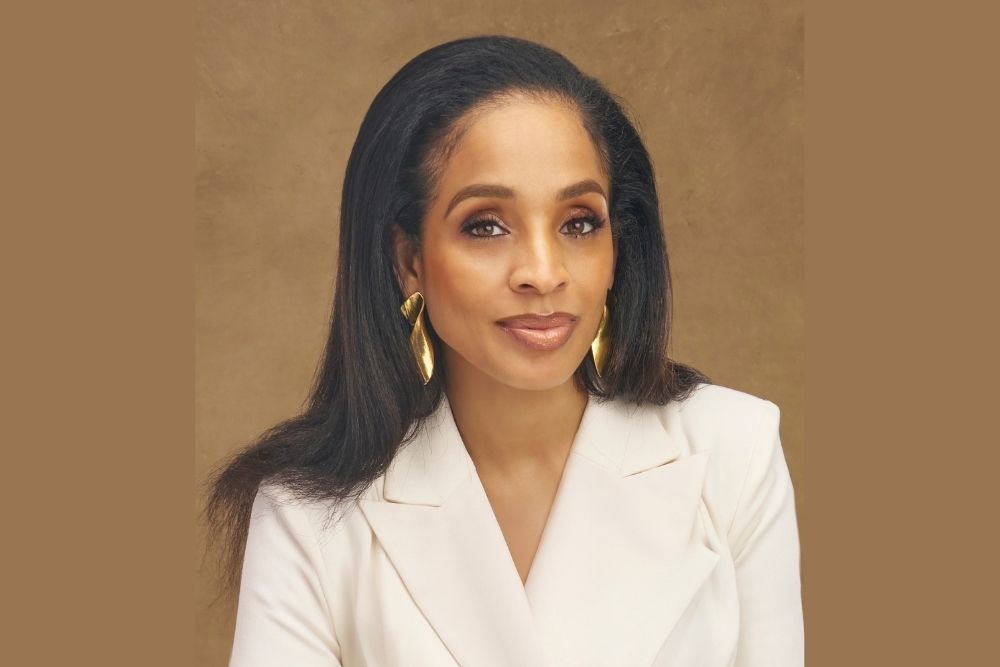
It is a question many founders only begin to consider as their philanthropy grows. And that, according to Dr. Ndidi Okonkwo Nwuneli – Co-founder, Wealth4Impact, is precisely the gap that determines whether a family’s giving achieves multi-generational impact or quietly fades with its founder.
At a recent Wealth4Impact SEAPIN masterclass on Governance, Dr. Nwuneli put the challenge to a virtual room of emerging family philanthropists plainly: are you building initiatives that depend on you, or institutions that can outlast you?
Governance Is Stewardship, Not Paperwork
If your board exists mainly to satisfy a legal requirement- meetings held, minutes filed, approvals rubber-stamped- you have a board on paper, not a board in practice.
Dr. Nwuneli is direct about this: governance was never meant to be administrative. Its purpose is stewardship, protecting the mission and values, providing guidance and support to drive the strategy towards the achievement of the vision, and keeping the organisation anchored to its purpose no matter who is leading day to day.
She speaks from experience. The organisations she built kept thriving through her own absences not by accident, but because strong boards were already in place to carry leadership and continuity forward when she stepped away.
That is the test every family philanthropy should apply to itself: if you stepped back tomorrow, would your organisation hold?
A Board Should Challenge You, Not Just Agree With You
Does your board strengthen your decisions or simply endorse them?
Dr. Nwuneli identifies three functions a board should genuinely deliver:
- Strategic leadership – shaping purpose, values, long-term direction, and succession planning
- Oversight – ensuring resources are managed responsibly and the organisation stays accountable
- Service – representing the organisation, deepening stakeholder relationships, and opening doors to partnership and funding
A board performing all three isn’t a formality. It’s a source of real institutional value and demonstrates to funders and partners that the organisation takes stewardship and accountability seriously.
Trust Gets Someone a Seat. Capability Builds the Institution.
Most family foundations start the same way: inviting trusted friends and relatives onto the board. Trust matters, but Dr. Nwuneli’s challenge to founders is to go further. The question isn’t only “Can I trust this person?” It’s “What unique value does this person bring?”
That means auditing your board honestly. Do you have finance and accounting expertise at the table? Legal and regulatory knowledge? Fundraising experience? Programme and communications expertise? And just as critically, do your members share your values while still bringing independent thinking, and the confidence to ask you hard questions when it counts?
Diversity Is a Governance Advantage!
Look past your immediate network when you build your board. Age diversity brings wisdom, experience, and fresh thinking. Professional diversity brings complementary expertise. Gender and community representation deepen your understanding of the people you actually serve.
For family philanthropies especially, this isn’t optics; it produces sharper decisions today, and it keeps your governance relevant as your organisation and the family behind it transition across generations.
Boards Drive the Discipline Founders Often Resist
Many founders avoid formal boards because they anticipate friction. Dr. Nwuneli’s experience demonstrates the opposite is true: boards build discipline. Regular meetings require leaders to prepare, report on progress, and stay accountable to agreed priorities, turning discipline into culture rather than a once-a-year exercise.
She has seen board members step into leadership during her organisation’s most difficult periods, keeping the mission moving without interruption; stewardship was only possible because governance had been built deliberately, long before it was tested.
Your Governance Should Grow as You Do
A newly founded philanthropy might start with a small, hands-on board, which is appropriate at that stage in the evolution of an organization. But as your programmes expand and your partnerships deepen, your governance has to mature as well: more structured meetings, specialised committees, clearly defined responsibilities, and a different mix of skills around the table.
Governance that doesn’t evolve stops protecting your organisation and starts limiting it.
Not Everyone Belongs on Your Board
A respected name is not a qualification. What your board needs is commitment, integrity, preparation, appropriate, sound judgement, and a genuine willingness to serve.
Dr. Nwuneli is candid on this point: don’t hesitate to refresh your board when members stop contributing meaningfully. Building a high-performing board takes intention. Sustaining one takes the courage to make hard choices.
Where Wealth4Impact Comes In
This is exactly the work Wealth4Impact exists to support. Through Supporting the Emergence of Active Philanthropists in Nigeria (SEAPIN), we work with families to formalize their giving, which requires some level of wealth stewardship, governance and succession structures that turn good intentions into institutions that endure. Participating families gain access to tools like our board skills matrix and board appointment template, along with tailored advisory support to put governance into practice, not just theory.
If you’re building a family philanthropy and asking yourself whether your board is truly serving your mission, that’s the right question to be asking. Because good intentions do not secure legacy. This is secured by the governance that protects it.
